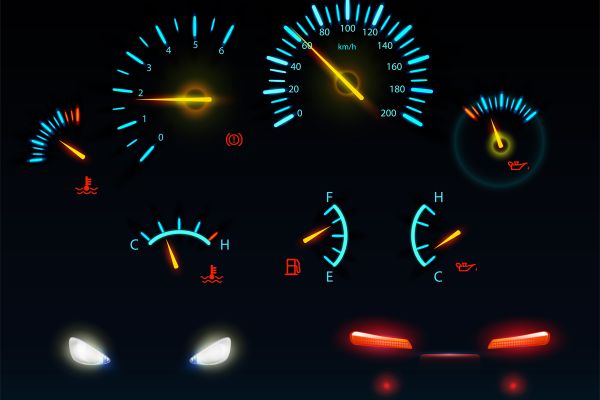



Check Engine Light is one of the most important warning indicators in modern vehicles. Many drivers continue driving after seeing the warning light, assuming it is a minor issue. However, ignoring the Check Engine Light can result in expensive engine repairs, reduced fuel efficiency, and unexpected vehicle breakdowns. This warning light is designed to alert drivers whenever the vehicle's onboard computer detects a fault in the engine or related systems.
Whether the warning light remains steady or starts flashing, it should always be inspected by a qualified technician. Early diagnosis using professional computer diagnostics can identify the exact problem before it becomes more serious. Drivers in Musaffah and Abu Dhabi can save both time and repair costs by addressing warning lights immediately instead of delaying repairs.
What Does the Check Engine Light Mean?
Check Engine Light is connected to your vehicle's Engine Control Unit (ECU). When sensors detect abnormal readings, the ECU stores a fault code and turns on the warning light. The issue may be as simple as a loose fuel cap or as serious as a faulty catalytic converter, ignition problem, or engine malfunction. Because many different faults can trigger the same warning light, professional diagnostics are required to identify the exact cause accurately.
Ignoring the warning light may allow small issues to become major repairs. A diagnostic scan quickly identifies stored fault codes, allowing technicians to recommend the correct repair without unnecessary guesswork.
Common Reasons Why the Check Engine Light Comes On
Several problems can activate the Check Engine Light. Some of the most common causes include a loose fuel cap, worn spark plugs, faulty ignition coils, oxygen sensor failure, damaged mass airflow sensors, fuel injector problems, catalytic converter issues, vacuum leaks, and emissions system faults. While some of these issues are relatively simple to repair, others can affect engine performance and lead to costly damage if ignored.
Professional engine diagnostics help identify the exact fault quickly, ensuring only the necessary repairs are performed. Early diagnosis also helps maintain fuel efficiency, reduce emissions, and improve overall vehicle reliability.

Is It Safe to Drive with the Check Engine Light On?
Many drivers ask whether it is safe to continue driving when the Check Engine Light appears. The answer depends on how the warning light behaves. If the light is steady, the vehicle may still be drivable for a short distance, but it should be inspected as soon as possible. However, if the Check Engine Light starts flashing, it usually indicates a serious engine misfire or another critical problem that could damage the catalytic converter or other engine components.
Driving with a flashing warning light may lead to expensive repairs and unexpected breakdowns. The safest option is to stop driving and arrange a professional inspection before the problem becomes worse.
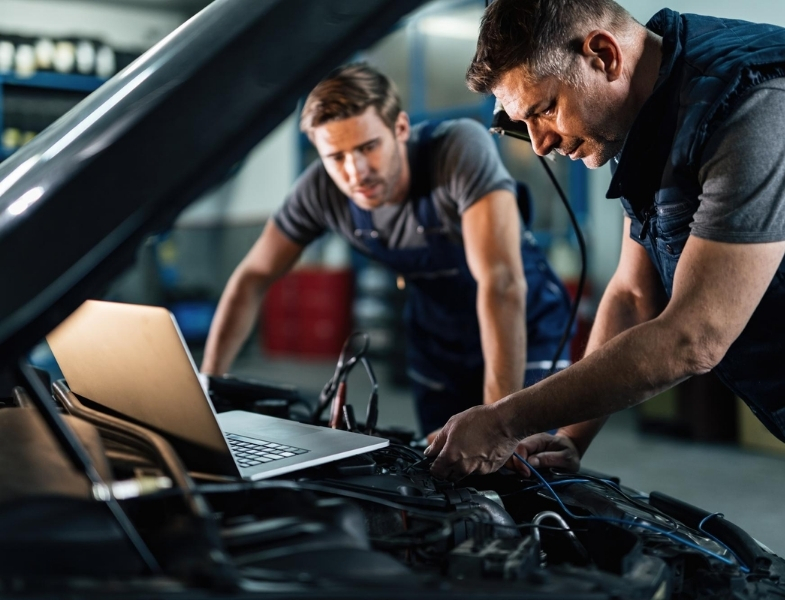
Benefits of Early Engine Diagnostics
When the Check Engine Light appears, early diagnostics can prevent small faults from developing into major mechanical problems. Professional computer diagnostics accurately identify the source of the warning, allowing technicians to repair only the affected components instead of replacing unnecessary parts. Early diagnosis also improves fuel efficiency, restores engine performance, reduces emissions, and helps avoid unexpected roadside breakdowns.
Routine diagnostic inspections are especially important for drivers in Abu Dhabi, where high temperatures place additional stress on vehicle engines and electronic systems. Addressing warning lights promptly keeps your vehicle reliable and reduces long-term maintenance costs.
How Professional Diagnostics Identify the Problem?
Modern vehicles contain advanced electronic control systems that constantly monitor engine performance. During a diagnostic inspection, a professional technician connects an advanced scan tool to the vehicle's OBD-II system to read stored fault codes. These codes provide valuable information about sensors, fuel systems, ignition components, emissions equipment, and engine performance.
After identifying the fault, technicians perform additional inspections and testing to confirm the exact cause before recommending repairs. This process ensures accurate repairs, saves time, and prevents unnecessary replacement of working parts.
Why Professional Engine Diagnostics Matter?
Professional Engine Diagnostics are far more effective than relying on guesswork or replacing parts without proper testing. Modern vehicles contain complex electronic systems that require specialized diagnostic equipment to identify faults accurately. A complete diagnostic inspection helps technicians understand the exact cause of the problem, reducing unnecessary repairs and ensuring that every issue is resolved correctly.
Modern diagnostic equipment can also identify intermittent faults that may not produce obvious symptoms during normal driving. These hidden issues often develop gradually and can affect fuel economy, engine performance, and overall vehicle reliability over time. By combining computer diagnostics with a detailed physical inspection, technicians can accurately determine whether the problem is caused by a faulty sensor, damaged wiring, electronic control module, or a mechanical component. This comprehensive approach ensures that repairs are completed correctly the first time, reducing the risk of recurring problems and unnecessary repair expenses.
Conclusion
A Check Engine Light should never be ignored, even if your vehicle appears to be driving normally. The warning light is designed to alert you when the onboard computer detects a fault that requires attention. Early diagnosis helps prevent expensive repairs, improves engine performance, and keeps your vehicle safe and reliable.
At Perfect Zone Auto Repair Workshop, we provide professional Engine Diagnostics and complete vehicle inspections using advanced diagnostic equipment for all vehicle brands. Our experienced technicians quickly identify the cause of your Check Engine Light and provide reliable repair solutions to get you safely back on the road.
Frequently Asked Questions (FAQ)
The most common causes include a loose fuel cap, faulty oxygen sensor, worn spark plugs, ignition coil failure, or emissions system problems.
If the light is steady, you should have the vehicle inspected as soon as possible. If it is flashing, stop driving and seek professional assistance immediately.
Most professional diagnostic inspections take between 20 and 45 minutes, depending on the vehicle and the type of fault.
A diagnostic scan identifies fault codes stored by the vehicle's computer. Professional technicians then perform additional testing to confirm the exact problem before carrying out repairs.
At Perfect Zone Auto Repair Workshop, we use advanced diagnostic equipment capable of identifying faults in the engine, transmission, ABS, airbag, and other electronic systems. Our experienced technicians explain every fault clearly and recommend only the repairs your vehicle genuinely needs. We focus on accurate diagnostics, transparent service, and high-quality workmanship to ensure your vehicle remains safe and reliable.
Book Your Engine Diagnostics Service Today
If your Check Engine Light is on, don't wait for the problem to become more serious. Book a professional diagnostic inspection at Perfect Zone Auto Repair Workshop in Musaffah, Abu Dhabi. Our team is ready to identify hidden faults quickly, provide accurate repair recommendations, and help keep your vehicle performing at its best.